

Most traders quote the VIX like they understand it. Almost none of them do.
They know “VIX up, market down,” they know 20 is some kind of line in the sand, and that’s about where the education stops — right before it gets useful.
This is Part 1 of a full VIX playbook series.
Before we touch a single options strategy, we need to take the fear gauge apart and see what’s actually inside it. Skip this part and every strategy in Part 2 onward will feel like random magic instead of methodology that make senses.
Magic won’t help you survive the margin call after all.
Only the right mandate would.
THE MOST MISUNDERSTOOD CONCEPT IN FINANCE
The VIX is not merely serve as prediction or index alone and it does not tell you about how Wallstreet and traders are “feeling” about the current market.
VIX IS PERCEIVED THIS WAY SO IT IS EASIER FOR PARTICIPANTS TO UNDERSTAND, MORE IMPORTANTLY, TO TRADE THIS UNDERLYING.
It does tell you something whenever it hits above 25, but you need to know it is not only about a PRICE TAG.
So, what exactly is VIX really?
VIX it’s the market’s implied estimate of S&P 500 volatility over the next 30 days, backed out of real money changing hands in the SPX options market.
It is closer to an insurance premium than a poll. Nobody surveys traders about their feelings and averages the results into a number that moves markets.
What actually happens is colder and more mechanical: real capital is bidding up the price of protection, and the VIX is just reading the thermometer that protection leaves behind.
Call it the fear gauge if you only care about the print and care less about making money.
If you truly want profit, you should call it an INSURANCE/RISK PREMIUM.
WHAT VIX MEASURES
Below is the full VIX trading mechanism:
Cboe takes a wide strip of SPX put and call options across two expirations that bracket 30 days out.
It weights them by strike and by how far out-of-the-money they sit, and runs the whole basket through a variance-swap-style formula. The output gets annualized and square-rooted into the number you see on the ticker.
You don’t need to reproduce that formula by hand. You need to understand what it implies:
VIX is essentially forward-looking, not backward-looking index.
It is not only measuring how much the S&P actually moved last month (that’s realized volatility, a completely different animal). It is pricing how much the market expects it to move over the next month.
VIX is built from options across a wide range of strikes, not just at-the-money contracts. That means it’s sensitive to the entire volatility surface — including the skew, where downside puts almost always trade richer than equivalent upside calls. This is why VIX tends to rise faster on the way down than it falls on the way up. Crashes are expensive to insure against. Rallies are not.
VIX is denominated in annualized percentage points.
VIX of 20 implies the market expects roughly a 20% annualized move in the S&P over the next 30 days, one standard deviation, priced by people who have actual money on the line. Divide by the square root of 12 and you get a rough monthly expected move of about 5.8%. That back-of-envelope math is worth memorizing. You’ll use it constantly.
Therefore VIX is not structured and functioned as a prophecy crystal ball, you need to trade its structure instead of blindly betting on its “prophecy”.
THE FEAR GAUGE MYTH
Here’s the part that annoys the people who make a living calling it the fear gauge on television.
VIX doesn’t only predict market crashes, it is essentially act as the market REACT FUNCTION.
VIX reacts to market events, and then — this is the part that actually matters for option traders — it reprices the future based on what just happened.
The spike you see on a bad trading day isn’t the market forecasting more pain ahead. It’s the market marking up the cost of protection because uncertainty about the near future just went up, sharply, in real time.
This distinction is not purely academic driven.
It’s the entire reason volatility trading exists as a discipline instead of a coin flip.
If VIX predicted crashes, you’d just buy puts whenever it ticked up and get rich. It doesn’t work like that, and if you’ve tried it, you already know.
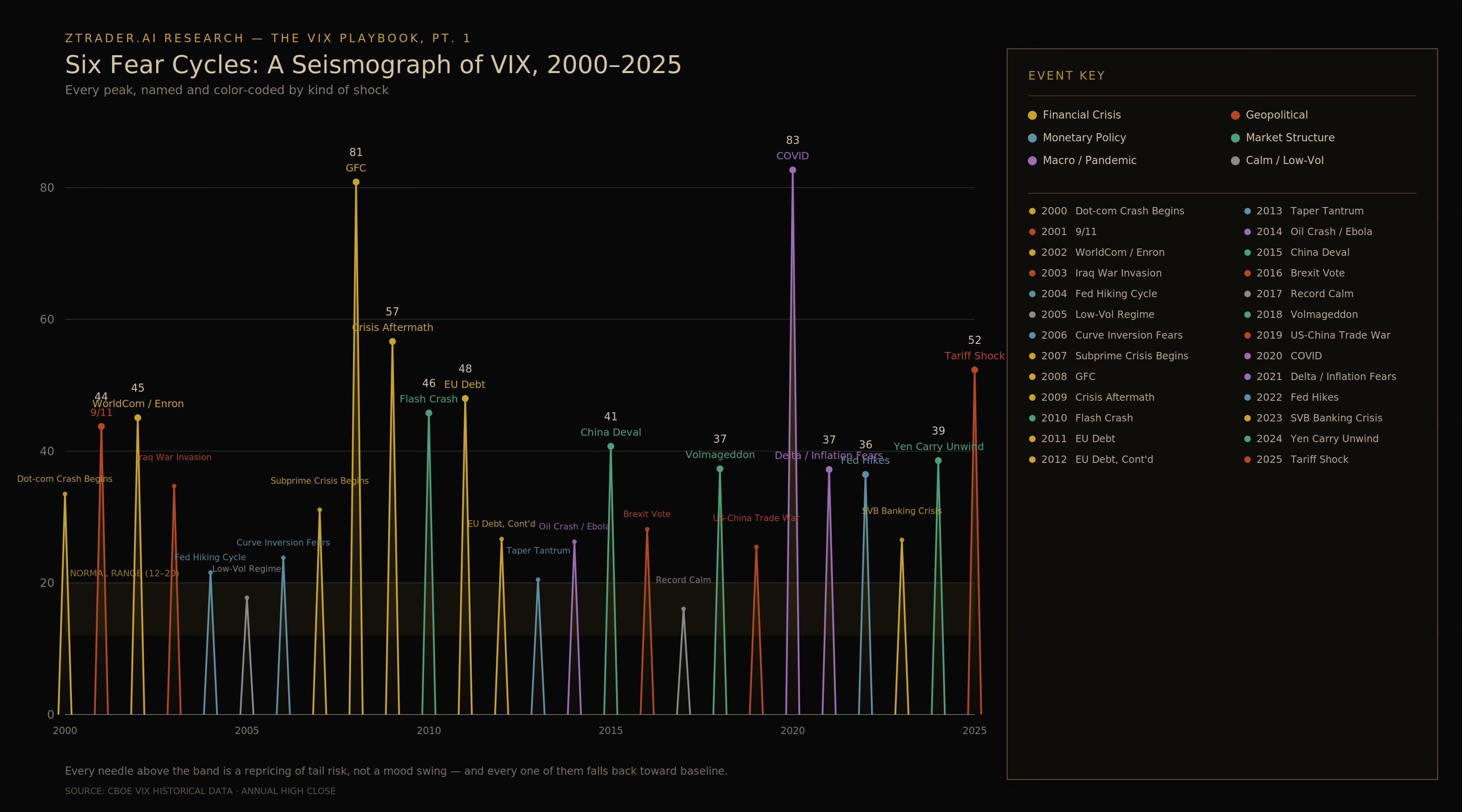
[CHART 1 — Six Fear Cycles: VIX Annual Peaks, 2000–2025]
Let’s look at that chart for more than five seconds.
According to the above market chart, we can see every major peak with real market event that has a name attached to it — 9/11, the GFC, the European debt crisis, Volmageddon, COVID, the 2022 hiking cycle, the 2025 tariff shock. Every single one of those spikes came AFTER the shock hit, not before. VIX is the market’s damage assessment, not its weather forecast. It tells you how expensive fear got. It does not tell you fear is coming.
MEAN REVERSION — THE ONLY VIX LAW THAT WORKS
If there’s a single fact about VIX worth tattooing on your forearm before you sell your first option, it’s this:
volatility is mean-reverting, and it reverts hard.
Look at the above charts and patterns again.
Every single vol spike comes back down.
ALL eventually came down within weeks to a few months, almost without exception, VIX finds its way back toward its long-run center of gravity somewhere in the high teens.
This is the mean reversion structure embedded in VIX index structure.
The Panic volatility environment is expensive to sustain.
Hedging demand that spikes during a crisis gets unwound once the acute threat passes. Dealers who were short gamma during the selloff re-hedge. Volatility sellers who stepped away come back once premiums look juicy enough. The whole ecosystem is engineered to push VIX back toward its mean, because elevated volatility is a cost nobody wants to pay indefinitely.
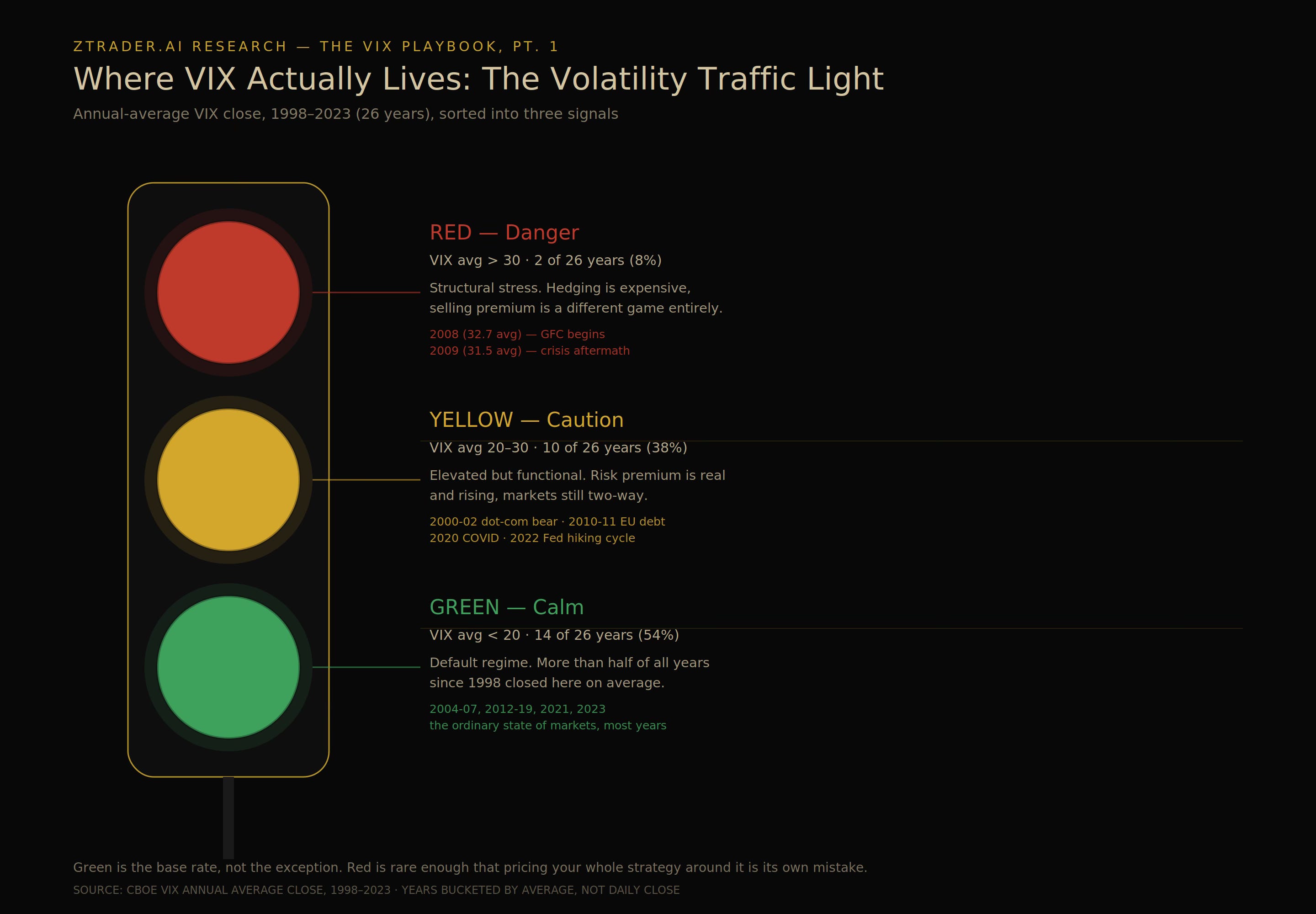
[CHART 2 — Where VIX Actually Lives: The Regime Map]
This is the chart that should reshape how you think about position sizing.
Roughly two-thirds of all trading days sit under 20.
Genuine panic — VIX above 40 — happens on a sliver of days, historically in the low single digits as a percentage. If your entire options framework is built around the assumption that elevated vol is the normal state of the world, you are structurally mispricing your own risk.
The far right tail is real and it will hurt you if you’re unprepared for it (2018, 2020, and 2025 all happened without an RSVP), but it is a tail, not a regime.
Mean reversion is WHY option selling strategies exist as a durable edge and not just a fluke of a few good years. It is also WHY those same strategies occasionally get liquidated in spectacular fashion by people who forgot the tail exists.
Both things are true simultaneously.
Neither one cancels the other out.
CONTANGO, BACKWARDATION,
AND WHY YOUR VIX ETF IS BLEEDING YOU DRY
This is the concept most retail traders skip, and it is the single most expensive gap in their education.
VIX itself isn’t directly tradable — you can’t buy the index.
What you can trade is VIX futures, and futures at different expirations don’t have to agree with each other or with spot. The relationship between them is called the term structure, and it comes in two shapes.
When the curve is in CONTANGO, this means the market is in the calm mode.
Futures further out in time trade at a premium to spot, because the market is pricing in some baseline chance that things get more uncertain the further out you look, and because there’s a structural cost to holding volatility exposure over time. This is the shape you see roughly 80% of the time.
When the curve is in BACKWARDATION, market is in panic mode.
It shows up when spot VIX spikes above the futures curve — the market is saying “right now is terrifying, but we expect this to calm down by next month.”
Near-term fear costs more than distant fear.
This is the shape you saw in March 2020, in the depths of Volmageddon, and briefly during the 2025 tariff market shock.
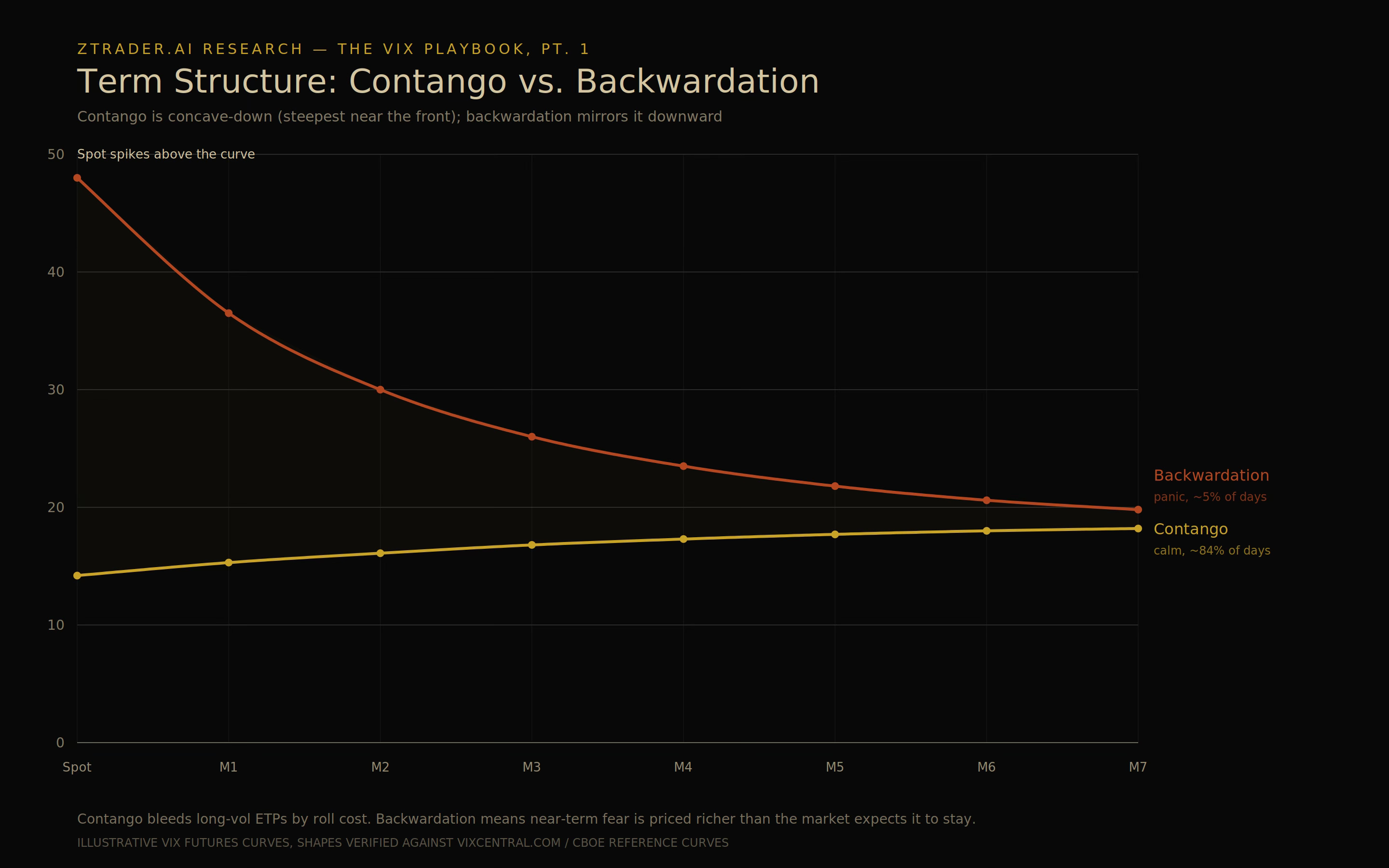
[CHART 3 — Term Structure: Contango vs. Backwardation]
Why should you care if you’re not trading VIX futures directly?
Because every popular VIX ETP (VXX, UVXY, and their siblings) is built on rolling futures contracts, and contango is a structural tax on that roll.
In a contango market, these products are constantly selling cheaper near-month futures and buying more expensive next-month futures to maintain exposure. That roll cost bleeds the product’s value over time, independent of what VIX itself does. This is not a conspiracy.
This is the core arithmetic feature of VIX.
It is also why “just buy VXX as a hedge and hold it” is one of the most reliably expensive ideas in retail options trading, and why professional desks treat these products as short-term tactical tools, never buy-and-hold positions.
WHY VIX ACTUALLY MATTERS
Now we will breakdown the entire VIX concept and explain how/why IT MATTERS:
If VIX is forward-looking and mean-reverting, then the LEVEL of VIX when you put on a trade tells you something concrete about the odds you’re accepting — not a guess, a probability structure baked into real prices.
Selling premium when VIX sits at 30 is a fundamentally different bet than selling it at 14, even if the strategy on paper looks identical. If the term structure is telling you the market is pricing near-term panic that it expects to fade, that’s information about skew, about which expirations are overpriced relative to others, about where the edge in a calendar spread actually lives.
Every strategy we cover from Part 2 onward — vertical spreads, iron condors, calendars, the whole toolkit — is really just a different way of taking a position on these same three ideas:
where VIX sits relative to its own history, how fast it’s likely to revert, and what shape the term structure is telling you the market currently believes.
Skip the fundamentals and you’re trading a Greek letter you don’t understand. Understand them and you’re trading probability with your eyes open.
TL;DR
— VIX is a price, not a prediction — an implied 30-day volatility estimate priced off real SPX option flow, not a sentiment poll.
— It reacts to shocks; it doesn’t forecast them. Every major spike in 25 years came after the trigger event, not before.
— Volatility is structurally mean-reverting. Roughly two-thirds of trading days sit under a VIX of 20. Panic is a tail, not a regime.
— Term structure has two shapes — contango (calm, ~80% of the time) and backwardation (panic). This is why VIX ETPs bleed value over time and why they’re tactical tools, not holdings.
— None of this is a strategy yet. It’s pure math and mechanics.
Part 2 is where we start building on top of it.
Part 2 picks up exactly here:
how to read the term structure for an actual edge, and the first framework for sizing option trades around VIX regime instead of guessing.