

By Dorian
GPU-BACKED LOANS IN 60 SECONDS
What it is: a loan to buy AI chips, where the chips and the customer contract they serve are pledged to the lender.
Who borrows: GPU cloud companies, often called neoclouds. CoreWeave, IREN, Lambda, Nebius and Fluidstack are the big names.
Who lends: private credit funds, bank syndicates and, more and more, insurance balance sheets.
How it gets repaid: from the customer’s rent on the chips, paid month by month under a fixed contract.
What sets the price: the credit of the customer, and how long the contract runs. The chips matter far less than the name suggests.
Five terms you will see below:
1. SPV. Short for special purpose vehicle. It is a separate company set up to hold the chips and the contract, so the lender has first claim on them. Whether the parent company also stands behind the debt varies by deal.
2. DDTL. Short for delayed-draw term loan. The lender commits the full amount up front, and the borrower draws it in pieces as GPUs get delivered.
3. Take-or-pay. The customer pays for the capacity whether it uses it or not.
4. SOFR. The US overnight benchmark rate. Floating loans are quoted as “SOFR plus” a spread, in basis points (bp). 100bp is one percentage point.
5. RVG. Short for residual value guarantee. Someone promises a minimum value for an asset if the lease on it ends early.
Every AI headline comes with a capex number. Somebody has to fund that number.
The hyperscalers pay from cash flow but the neoclouds cannot do not. One contract will require billions of dollars of chips. IREN’s GPUs for one Microsoft deal cost $5.81 billion. So they borrow, and they pledge the chips.
That is where most coverage stops. “Wall Street is lending against depreciating GPUs” makes a good headline. It also misses how the deals are built.
If you trade NVDA, CRWV, NBIS, IREN, or the managers behind the loans like BX, APO and KKR, this structure matters to you. Part of Nvidia’s order book is funded by this debt. The neocloud equity sits underneath it. Private credit marks sit on top of it.
So I pulled the actual terms from SEC 10-Qs and 8-Ks, credit agreements and company releases. The 11 charts here cover the whole loop: who pays whom, what gets pledged, how the price is set, and who eats the loss if it breaks.
I. FOLLOW THE CASH AROUND THE LOOP
[CHART 1 — Who pays whom inside a GPU-backed loan]
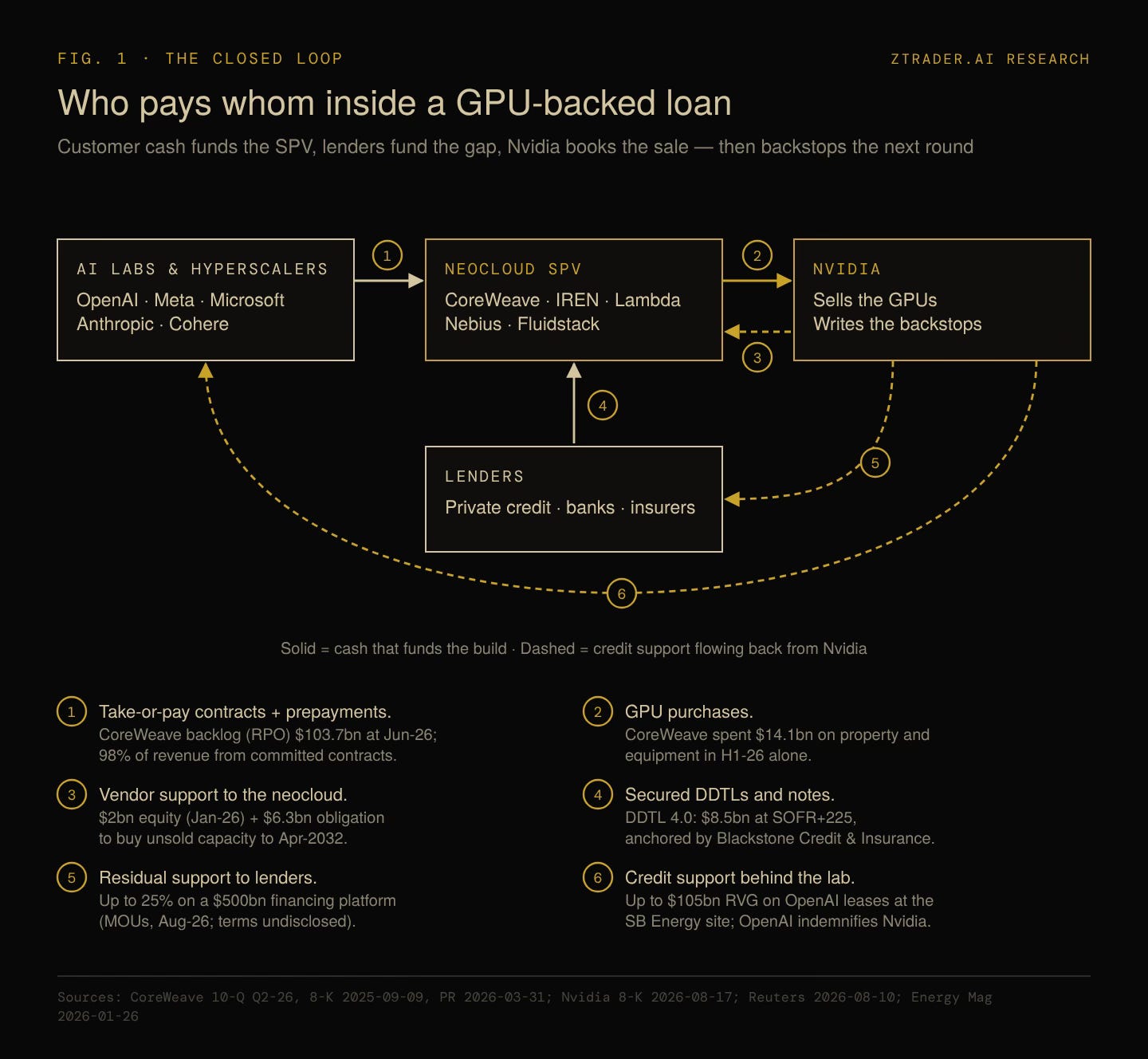
Let’s start with the map above and we should start to read it from left to right, then follow the dashed lines back.
The AI lab or hyperscaler signs a take-or-pay contract with a neocloud. It often prepays part of it. That contract goes into an SPV.
Lenders fund the SPV against that contract.
Then the SPV buys GPUs from Nvidia.
Then the dashed lines start. Nvidia sends money and guarantees back into the loop at three points:
1. To the neocloud. Nvidia put $2 billion of equity into CoreWeave in January 2026, at $87.20 a share. Separately, it signed a $6.3 billion order in September 2025. Under it, Nvidia must buy any CoreWeave capacity left unsold, through April 2032.
2. To the lenders. In August 2026, Nvidia signed memorandums with Apollo, BlackRock, Blackstone, Brookfield, Goldman Sachs and KKR. The plan is financing platforms targeting more than $500 billion. Jensen Huang said Nvidia has the option to backstop up to $125 billion of that, or 25%.
3. Behind the lab. Also in August 2026, Nvidia signed residual value guarantees on leases where OpenAI is the tenant, at the SB Energy campus in Ohio. They cover about 4.25 gigawatts, capped at $105 billion. The guarantees run to the landlord, SB Energy, and back OpenAI’s rent.
Therefore, this is why scale really matters here:
CoreWeave alone had $103.7 billion of contracted revenue still to recognize at June 30, 2026.
Committed contracts made up 98% of its revenue. It spent $14.1 billion on property and equipment in the first half of 2026 alone.
Each arrow on that map has its own terms, starting with what the lender actually holds.
II. WHAT ACTUALLY GETS PLEDGED
[CHART 2 — Four ways the AI build gets borrowed against]
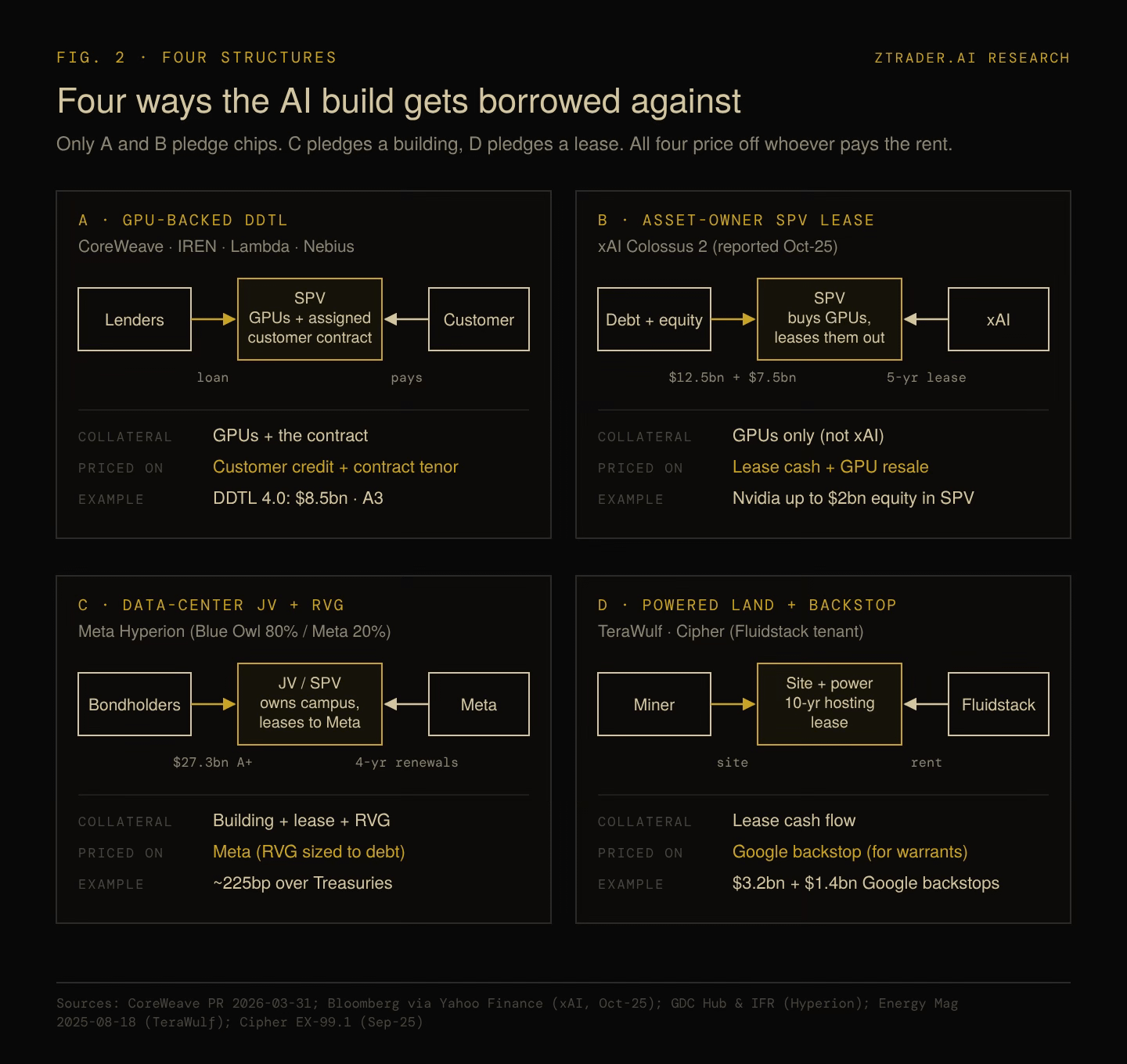
“GPU-backed loan” is a very loose term. In practice there are four structures, and only some of them pledge chips.
1. GPU-backed DDTL.
This is the CoreWeave template, and IREN, Lambda and Nebius use versions of it. The SPV owns the GPUs and holds the customer contract. The lender gets both. Recourse to the parent varies. CoreWeave’s DDTL 4.0 is non-recourse except for “bad acts”. DDTL 5.0 and 5.5 are fully guaranteed by CoreWeave Inc.
2. Asset-owner SPV lease.
This is the xAI Colossus 2 deal reported in October 2025. The SPV raises about $12.5 billion of debt and $7.5 billion of equity, buys the GPUs, and leases them to xAI for five years. Nvidia was reported to put up to $2 billion of equity into the vehicle. The lender has a claim on the chips, not on xAI.
3. Data-center JV with an RVG.
This is Meta’s Hyperion campus in Louisiana. Blue Owl funds own 80% and Meta owns 20%. The vehicle issued $27.3 billion of A+ rated debt, priced around 225bp over Treasuries. Meta leases the campus on four-year renewable terms and backs it with an RVG sized to cover the debt. The collateral is a building and a lease. Chips are not part of it.
4. Powered land with a backstop.
Here, bitcoin miners lease sites with power to Fluidstack for 10 years. Google backstops Fluidstack’s lease obligations in exchange for warrants. At TeraWulf, it also backstops project debt, and its backstops total about $3.2 billion. At Cipher, Google backstops $1.4 billion and gets warrants for about 5.4% of the company.
This matters for the headline numbers. When you see a big “AI debt” figure, check which of the four structures it counts. Hyperion alone is $27.3 billion. That is about the size of all six CoreWeave DDTLs combined, and Hyperion pledges no chips at all.
III. HOW THE PRICE OF GPU DEBT MOVED SINCE 2023
[CHART 3 — GPU debt spreads fell over 700bp, then split by customer]
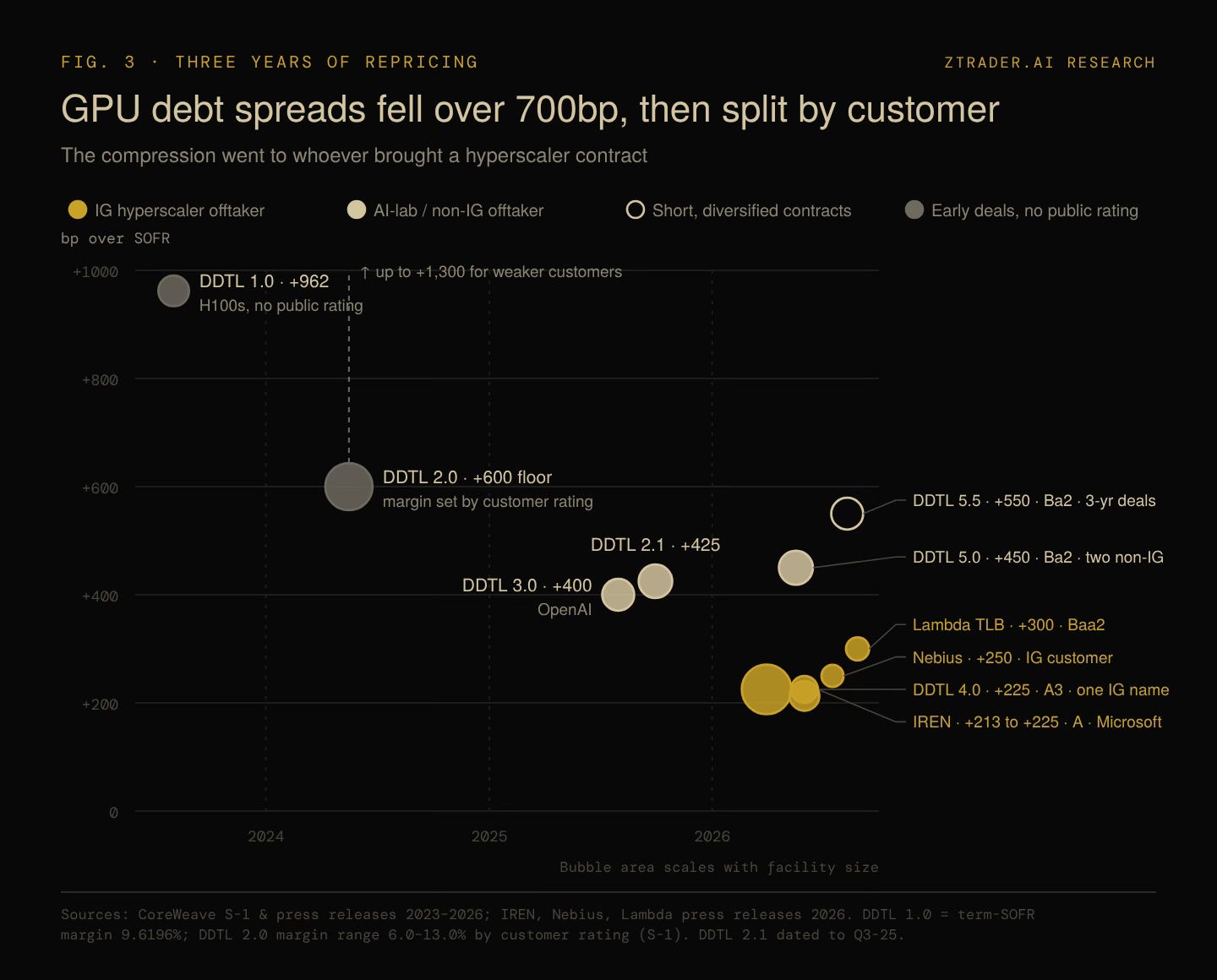
This chart plots every facility I could price from primary filings.
Time runs along the bottom. The spread over SOFR runs up the side. Bubble size is the facility size. Color is the type of customer behind the contract.
The first loan is the top-left bubble. In August 2023, CoreWeave signed DDTL 1.0 for $2.3 billion. Magnetar and Blackstone led it. The S-1 shows the margin at SOFR plus 9.6196%. With SOFR above 5% at the time, that is mid-teens money for senior secured debt.
DDTL 2.0 came in May 2024 at $7.5 billion. Look at how its margin was written. The S-1 sets it between 6.0% and 13.0% over SOFR, depending on the credit rating of the customer whose contract is being financed. That is the whole asset class in one clause. Lenders were pricing the customer from the second deal.
Then the curve drops. DDTL 3.0 in July 2025 priced at SOFR+400, backing an OpenAI contract. DDTL 4.0 in March 2026 priced at SOFR+225 with a fixed tranche near 5.9%. Moody’s rated it A3, and CoreWeave calls it the first investment-grade GPU-backed facility. Its own deck puts the cost about 750bp below DDTL 1.0. CoreWeave describes the customer only as an investment-grade “AI enterprise”. Global Data Center Hub reports that it is Meta.
IREN followed in June 2026. Its deal backs a Microsoft contract, carries an A from Fitch, and prices at SOFR+213 to +225.
Then the curve splits. DDTL 5.0 in May 2026 priced at SOFR+450. It backs two customers rated below investment grade, reported by IFR as OpenAI and Cohere. DDTL 5.5 in August priced at SOFR+550, backed by contracts averaging about three years.
The compression went to whoever brought a hyperscaler contract. Everyone else still pays high-yield spreads.
IV. SPREADS INSIDE A SINGLE BORROWER
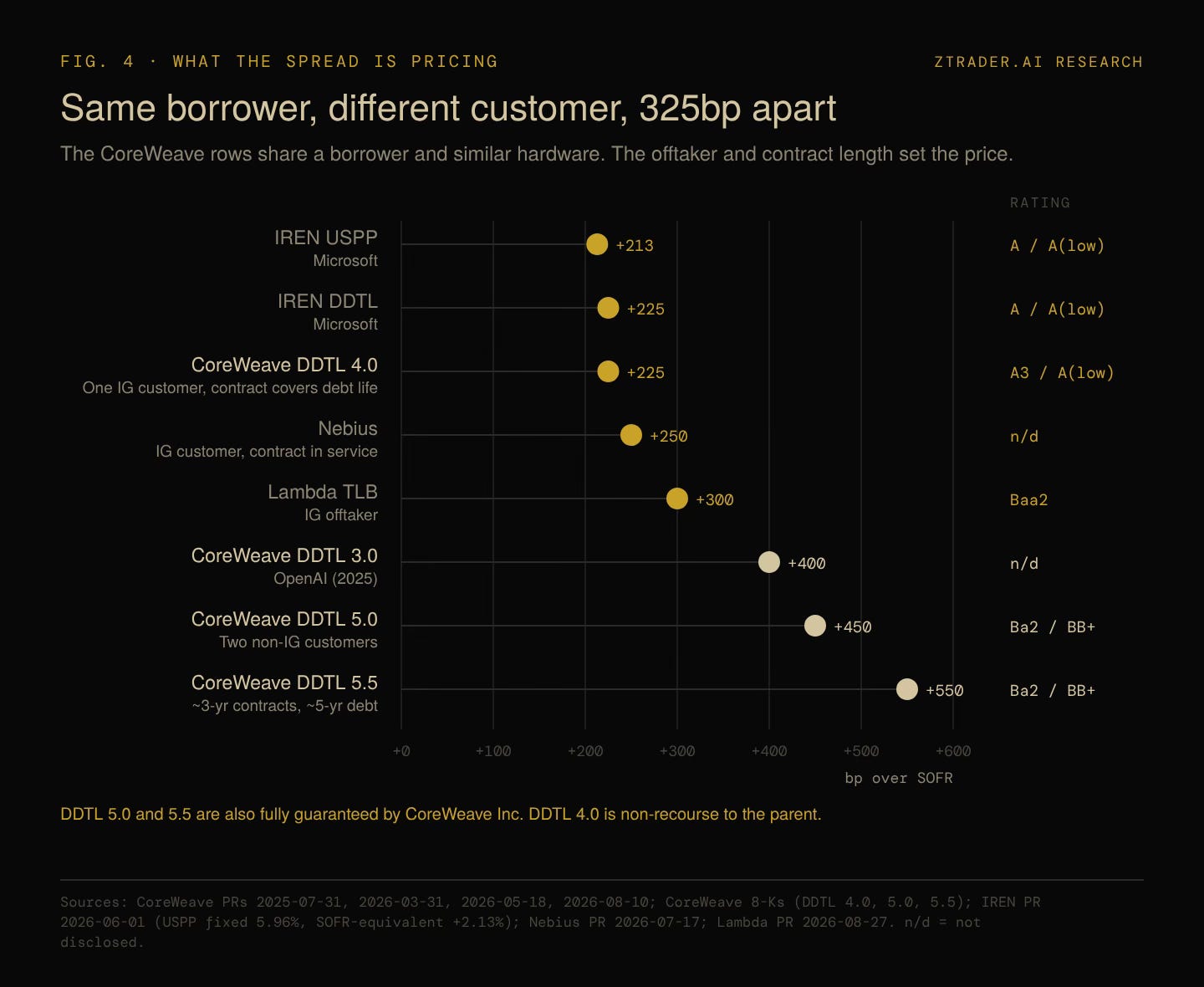
[CHART 4 — Same borrower, different customer, 325bp apart]
Chart 3 shows time. Chart 4 strips time out and lines the deals up by spread.
Look at the three CoreWeave deals from 2026. All three come from the same borrower, and all three finance similar Nvidia hardware.
DDTL 4.0 prices at +225. DDTL 5.0 prices at +450. DDTL 5.5 prices at +550.
That 325bp gap comes from two things:
1. Who the customer is. Investment grade or not.
2. How long the contract runs compared with the loan. DDTL 4.0 has a contract that covers the debt. DDTL 5.5 has about three-year contracts against a roughly five-year loan. The lender takes the risk that the customer walks away at renewal.
Now look across borrowers. IREN, Lambda and Nebius all sit between +213 and +300, and every one of them has an investment-grade offtaker. Lambda’s release headline says the loan backs “an investment-grade customer”.
The guarantees push the customer premium even higher. DDTL 5.0 and 5.5 are fully guaranteed by CoreWeave Inc. DDTL 4.0 is not. So the pricier lenders get a second source of repayment and still charge 225 to 325bp more.
So the market has one rate card for GPU debt, and it is indexed to the tenant. The chips are close to a constant in this equation.
V. IREN’S $5.81 BILLION FUNDING STACK
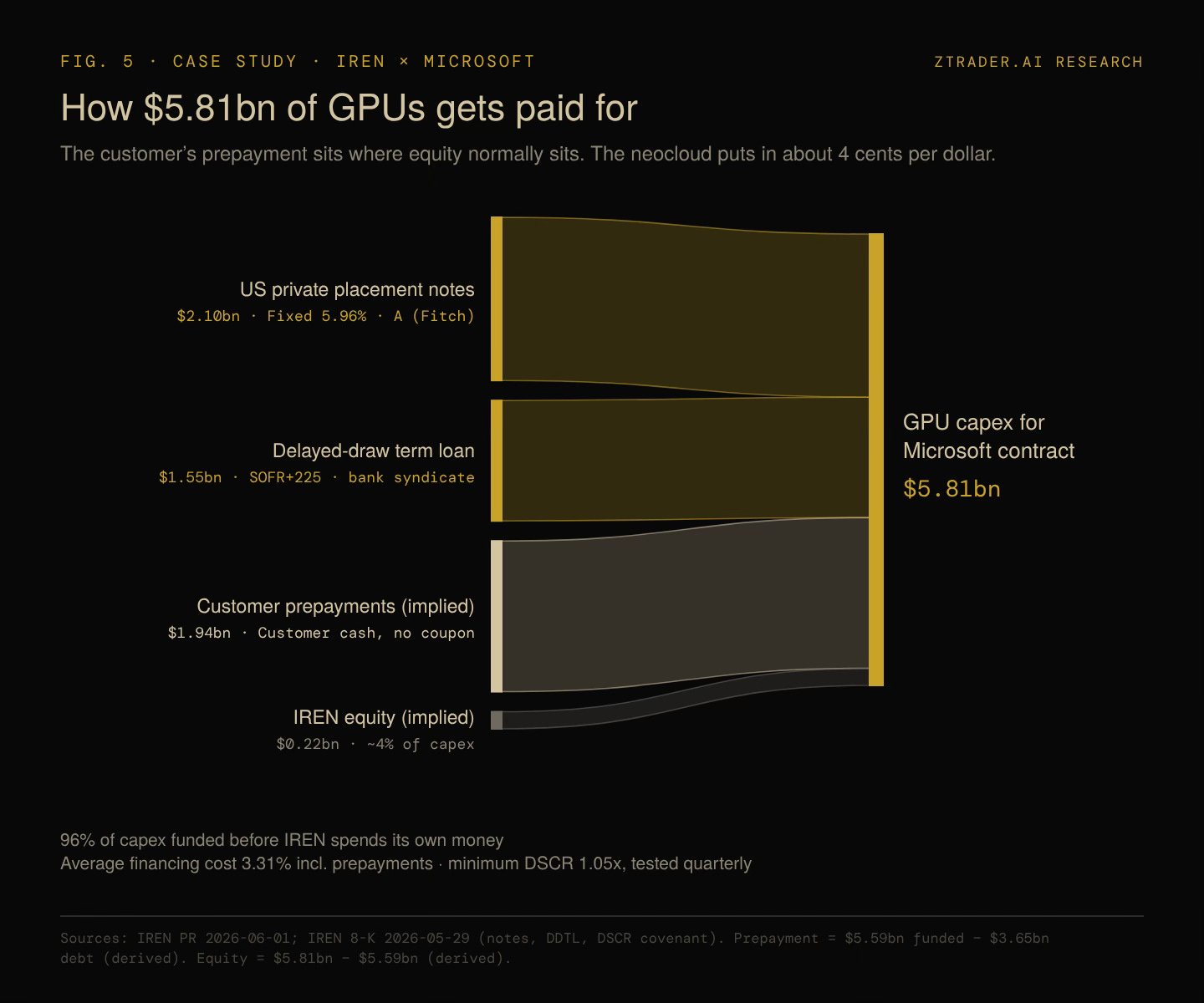
[CHART 5 — How $5.81bn of GPUs gets paid for]
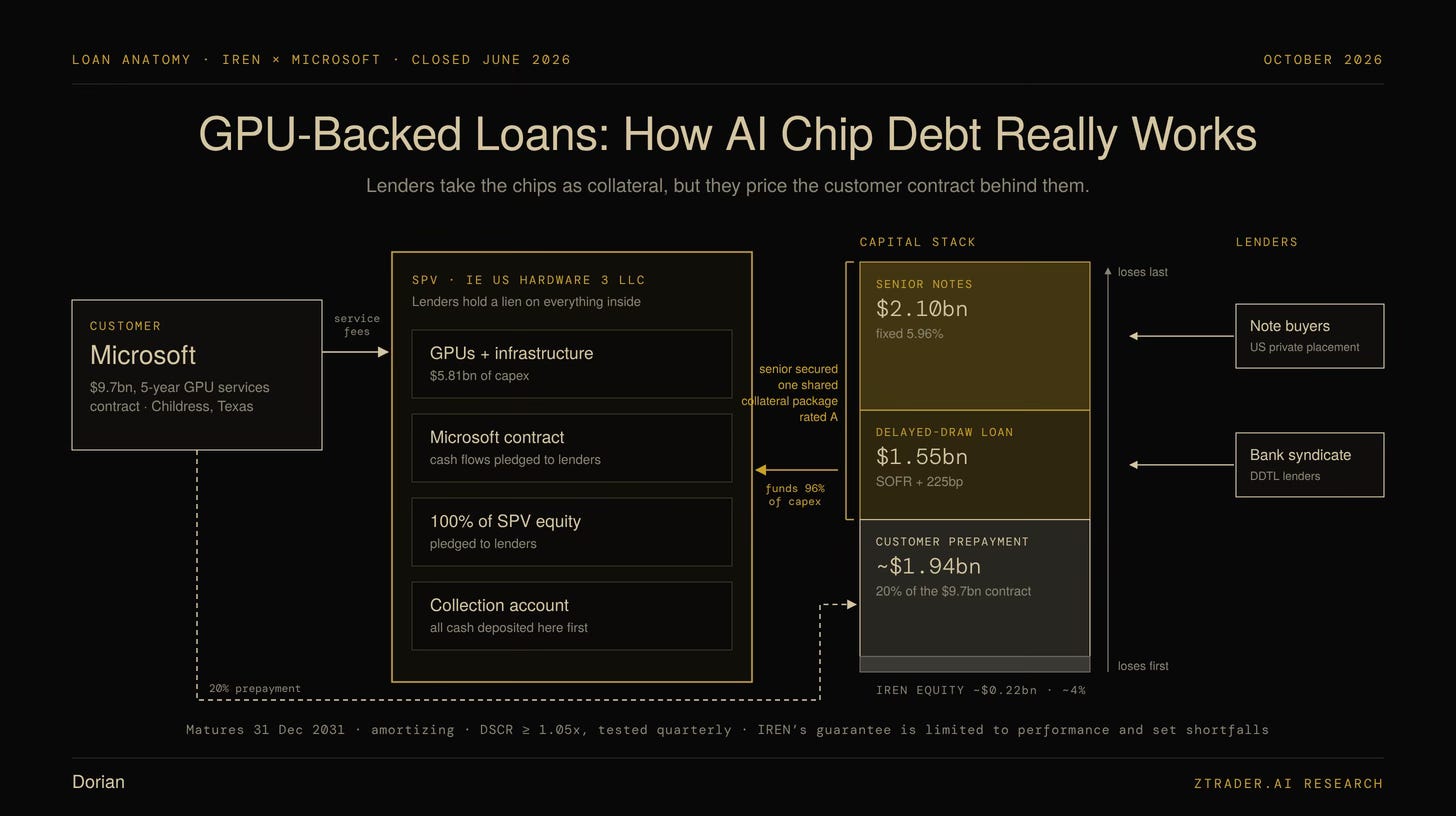
IREN is the cleanest deal to take apart, because its release gives the full funding math. Here is the setup. IREN has a contract to run dedicated GPUs for Microsoft at its Childress, Texas site. The GPUs cost $5.81 billion.
The release says the financing, together with customer prepayments, funds $5.59 billion of that, or about 96%. Here is the stack:
1. $2.10 billion of US private placement notes, fixed at 5.96%.
2. $1.55 billion of delayed-draw term loan at SOFR+225.
3. About $1.94 billion of customer prepayments. I derived this as $5.59 billion funded minus $3.65 billion of debt.
4. About $0.22 billion of IREN’s own money. That is the $5.81 billion of capex minus the $5.59 billion funded.
Look at line 3. Microsoft’s prepayment sits where the equity would sit in a normal project finance deal. It is the first dollar in, and it carries no interest.
IREN puts in about 4 cents per dollar of hardware. IREN says its average financing cost is 3.31%, prepayments included. The 8-K requires a debt service coverage ratio of at least 1.05x, tested every quarter.
Debt service coverage ratio, or DSCR, is the cash available to pay debt divided by the debt payments due. At 1.05x, the SPV has five cents of cushion per dollar of debt service.
The parent guarantee is narrow, too. IREN Limited backs its manager’s performance and certain Microsoft tranche shortfalls. It does not guarantee the SPV’s debt. This is how a former bitcoin miner funds GPUs at single-A cost. The lender is underwriting Microsoft.
VI. INSIDE THE SPV ACCOUNTS
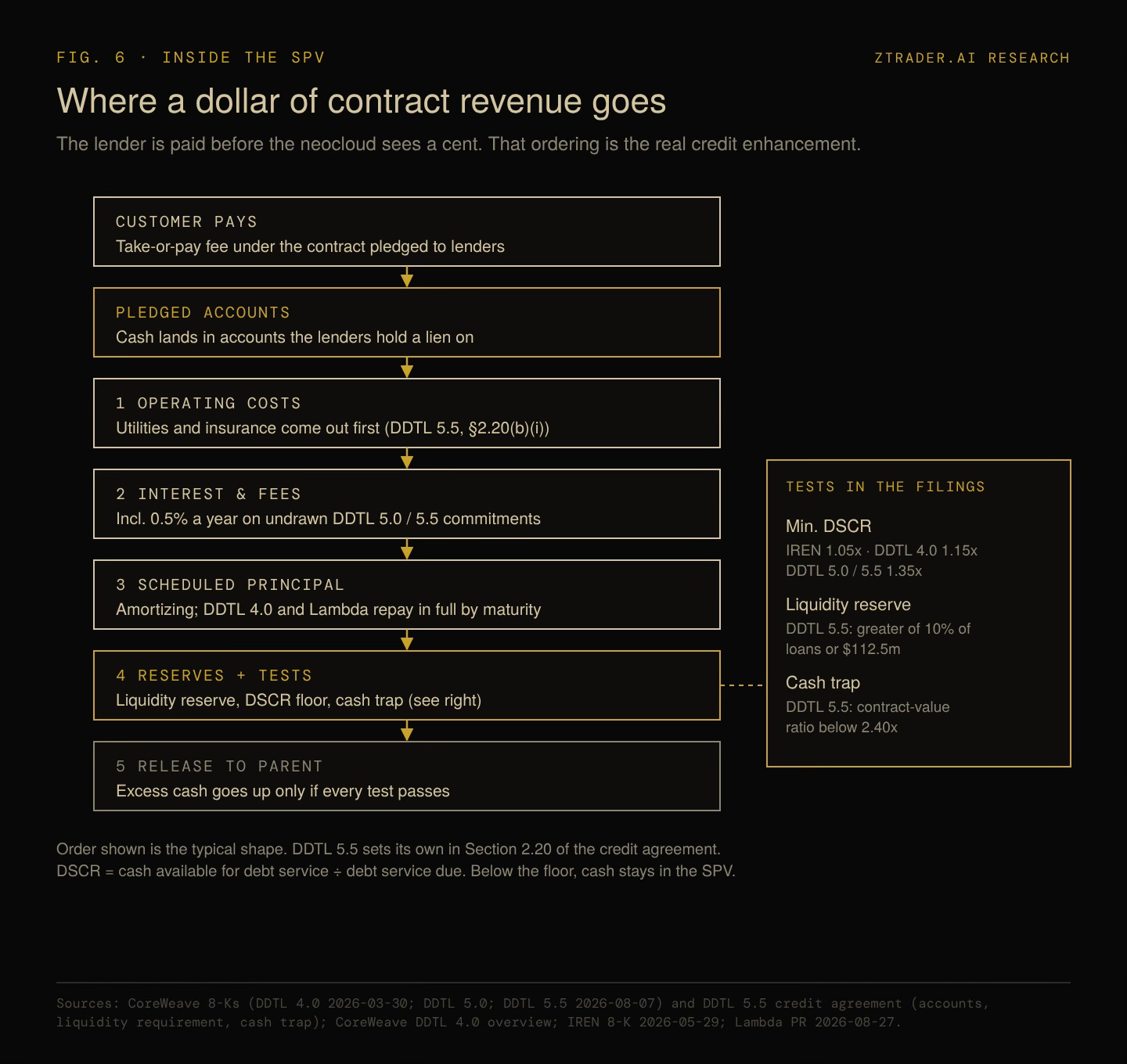
[CHART 6 — Where a dollar of contract revenue goes]
The rating does not come from the chips. It comes from the order in which cash gets paid out.
The customer’s payment does not go to the neocloud. It lands in accounts the lenders hold a lien on. DDTL 5.5’s credit agreement names three of them: an Available Cash Account, a Cash Trap Account and a Distribution Reserve Account.
From there the cash pays out in order:
1. Operating costs. In DDTL 5.5, utilities and insurance come out first.
2. Interest and fees. DDTL 5.0 and 5.5 both charge 0.5% a year on commitments not yet drawn.
3. Scheduled principal. DDTL 4.0 pays monthly once a site is stabilized and repays in full by March 2032. Lambda’s term loan B pays down to zero by December 2030.
4. Reserves and tests. This is where the filings get specific.
5. Whatever is left goes up to the parent company.
Step 4 holds three kinds of test:
1. Minimum debt service coverage ratio. IREN must hold 1.05x. DDTL 4.0 must hold 1.15x. DDTL 5.0 and 5.5 must hold 1.35x. Below the floor, cash stays in the SPV.
2. Liquidity reserve. DDTL 5.5 keeps the greater of 10% of the loans or $112.5 million in reserve.
3. Cash trap. DDTL 5.5 traps cash if a “Projected Contract Value Ratio” falls below 2.40x. That test is built on contracts, not on hardware.
The exact order is set in each credit agreement, but this is the shape. The lender gets paid before the neocloud sees a cent.
Combine that with a take-or-pay contract and you can see why lenders shrug at “GPUs depreciate fast”. The design goal is to repay the loan before anyone ever has to sell a used chip.
VII. LINING UP COREWEAVE’S CONTRACTS AGAINST ITS DEBT
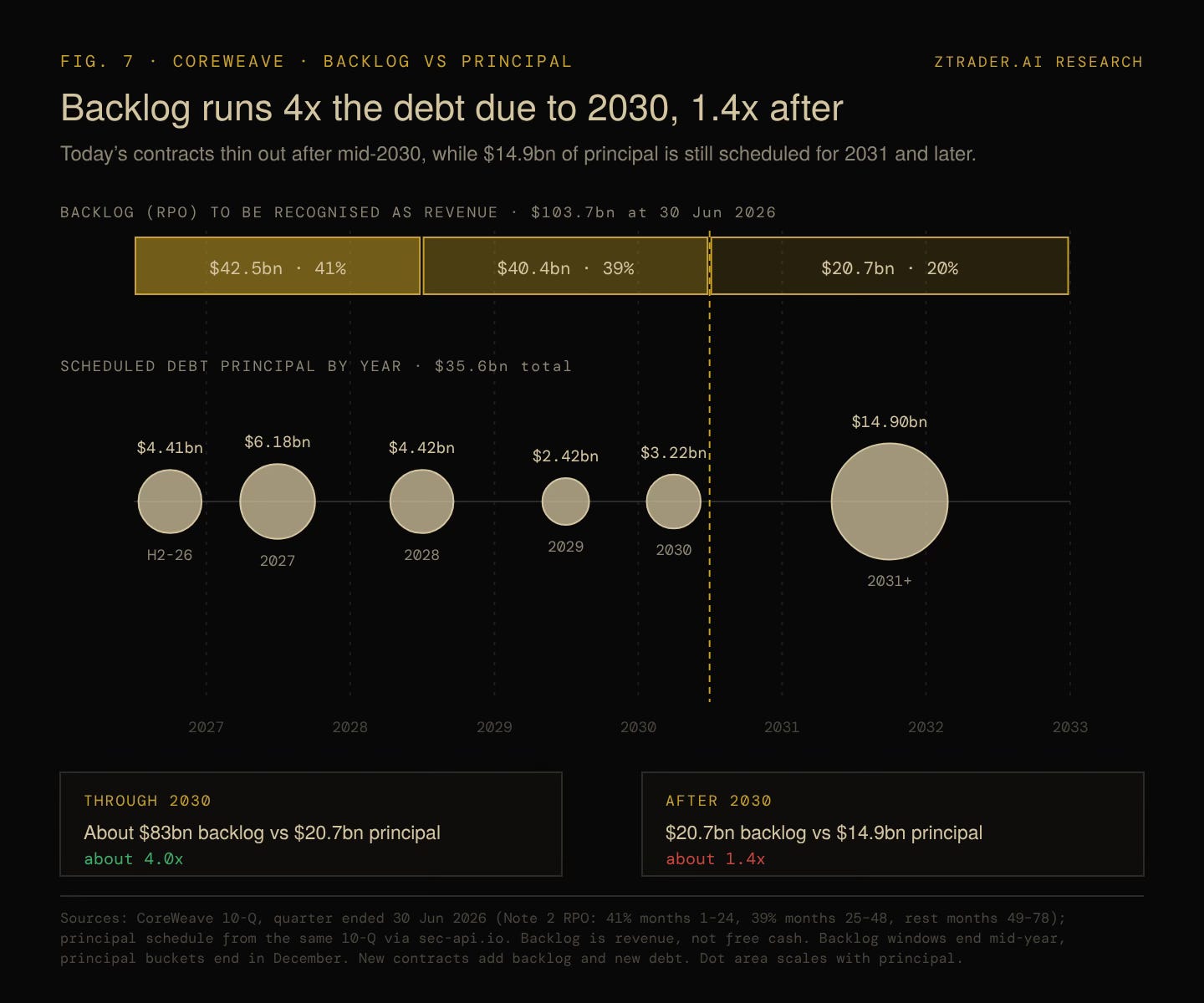
[CHART 7 — Backlog runs 4x the debt due to 2030, 1.4x after]
The SPV logic works one deal at a time.
The parent company is a different story.
This chart uses CoreWeave’s June 30, 2026 10-Q. The top strip is remaining performance obligations, or RPO. That is contracted revenue the company has not yet recognized. The dots below are scheduled debt principal by year, across all $35.6 billion of debt.
RPO was $103.7 billion. CoreWeave expects to recognize 41% of it in the 24 months to June 2028 and 39% in the following 24 months. The last 20%, about $20.7 billion, comes in between mid-2030 and the end of 2032.
Now line up the principal. About $20.7 billion is scheduled from the second half of 2026 through 2030. The other $14.9 billion falls in 2031 or later.
Put the two side by side:
1. Through 2030: about $83 billion of backlog against $20.7 billion of principal. That is roughly 4x.
2. After 2030: about $20.7 billion of backlog against $14.9 billion of principal. That is roughly 1.4x.
Three caveats keep this fair:
1. Backlog is revenue, not free cash. Power, staff and interest come out first.
2. New contracts keep adding to backlog. It grew from $55.6 billion at the end of Q3 2025 to $103.7 billion by June 2026. New contracts usually bring new debt with them, though.
3. The windows do not line up exactly. Backlog is reported in mid-year buckets, principal in calendar years.
The 2031-and-later bucket holds $8.0 billion of the $10.0 billion of unsecured notes and all $6.6 billion of convertibles. These sit at the parent and get repaid from whatever the SPVs release, or they get refinanced. Most of CoreWeave’s DDTLs also carry a parent guarantee, so a shortfall inside an SPV comes back to the parent too.
So the parent depends on two things. Its customers have to renew, and the debt market has to stay open. Net interest expense was $640 million in Q2 2026, up from $267 million a year earlier. Its two largest customers made up 36% and 26% of Q2 revenue.
VIII. H100 RENTS BY THE HOUR
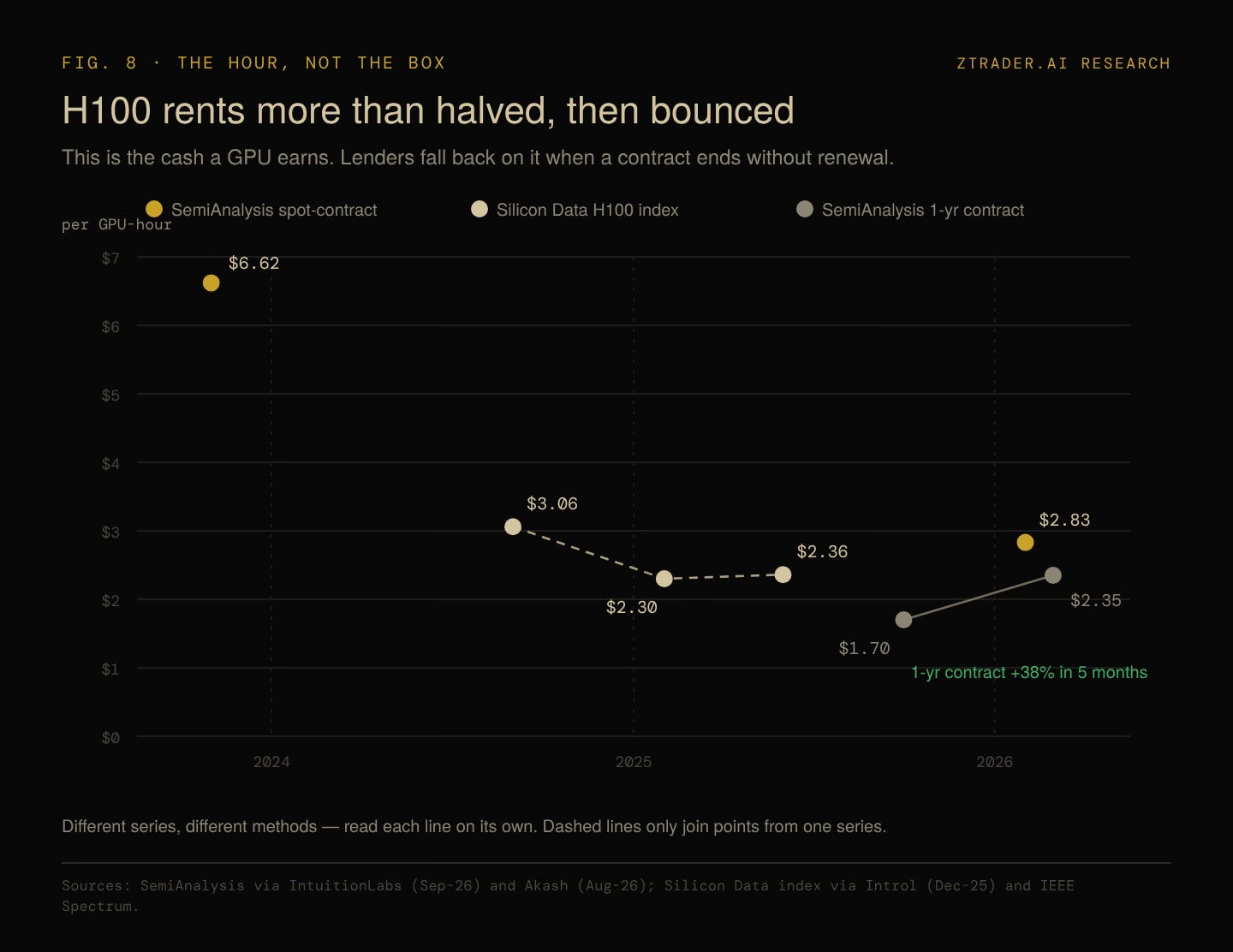
[CHART 8 — H100 rents more than halved, then bounced]
When a contract ends without renewal, the GPU goes back into the spot market. Its value to the lender becomes whatever it can earn per hour. This chart tracks that rent for Nvidia’s H100.
There is no single clean public series, so the chart shows three of them, labeled:
1. SemiAnalysis spot-contract pricing: $6.62 per GPU-hour in late 2023, $2.83 in February 2026.
2. The Silicon Data H100 index: $3.06 in September 2024, about $2.30 in February 2025, $2.36 in June 2025.
3. SemiAnalysis one-year contract pricing: $1.70 in October 2025, then $2.35 by March 2026 as capacity sold out. That is a 38% bounce in five months.
Read each series on its own. The direction is clear anyway. Rents fell by more than half from the 2023 scarcity peak. Then they turned back up in 2026.
For the lender, this is the number that decides a non-renewal. Note the timing, too. DDTL 5.5, CoreWeave’s first facility to take renewal risk, closed in August 2026, a few months after the bounce.
IX. THE PRICE OF A USED GPU
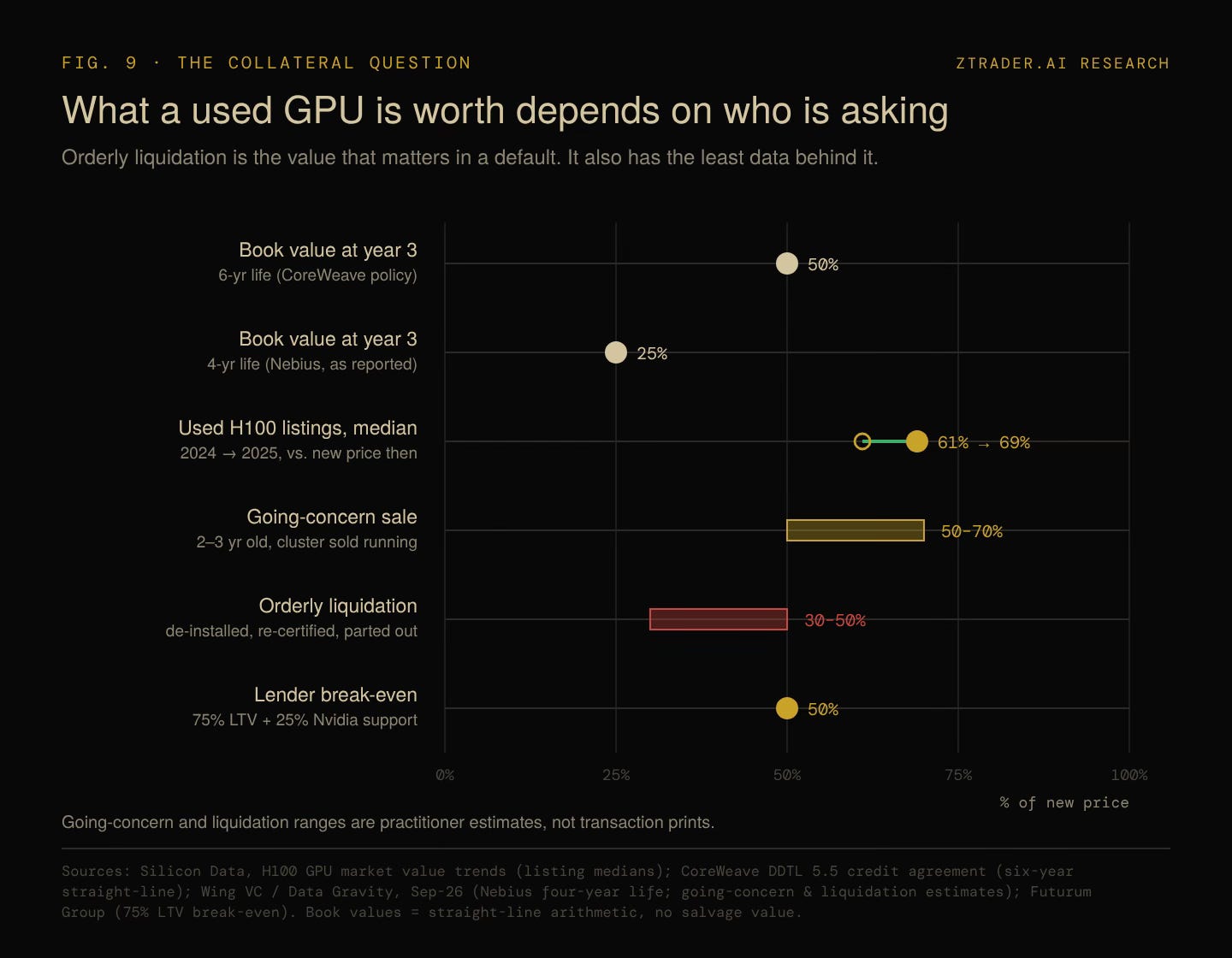
[CHART 9 — What a used GPU is worth depends on who is asking]
Now the uncomfortable part. Lenders hold the chips as collateral. Nobody agrees on what those chips are worth.
The chart puts every estimate on one ruler, as a percent of the new price:
1. Book value at year three. Under CoreWeave’s six-year depreciation life, that is 50%. Under the four-year life Nebius is reported to use, it is 25%. Same hardware, half the value, purely from an accounting choice.
2. Used H100 listings. Silicon Data puts the median used listing at about 61% of the new price at the time in 2024, and 69% in 2025.
3. Going-concern sale. That means selling a 2 to 3 year old cluster while it is still running. Practitioner estimates put it at 50% to 70% of new.
4. Orderly liquidation. That means pulling the servers out, re-certifying them and selling them in parts. Estimates run 30% to 50%.
5. Lender break-even under Nvidia’s platform. At 75% loan-to-value with 25% Nvidia residual support, the lender stays whole as long as recovery is at least 50%, by Futurum’s math.
In a default, line 4 is the number that matters.
It is also the one with almost no transaction data behind it.
Wing VC searched CoreWeave’s DDTL 5.5 credit agreement and found no appraisal, no loan-to-value test and no borrowing base. The only hardware number in it is a “GPU Depreciated Amount”, straight-line over six years.
Where lenders do size against the hardware, they use cost, not resale value. DDTL 4.0 lends up to 90% of cost during installation. CoreWeave’s own deck says that can reach about 102% of cost once the cluster is running.
That fits the rest of the story.
These loans were built so that nobody has to answer the used-GPU question while the contract is running.
X. NVIDIA, GOOGLE AND META AS GUARANTORS
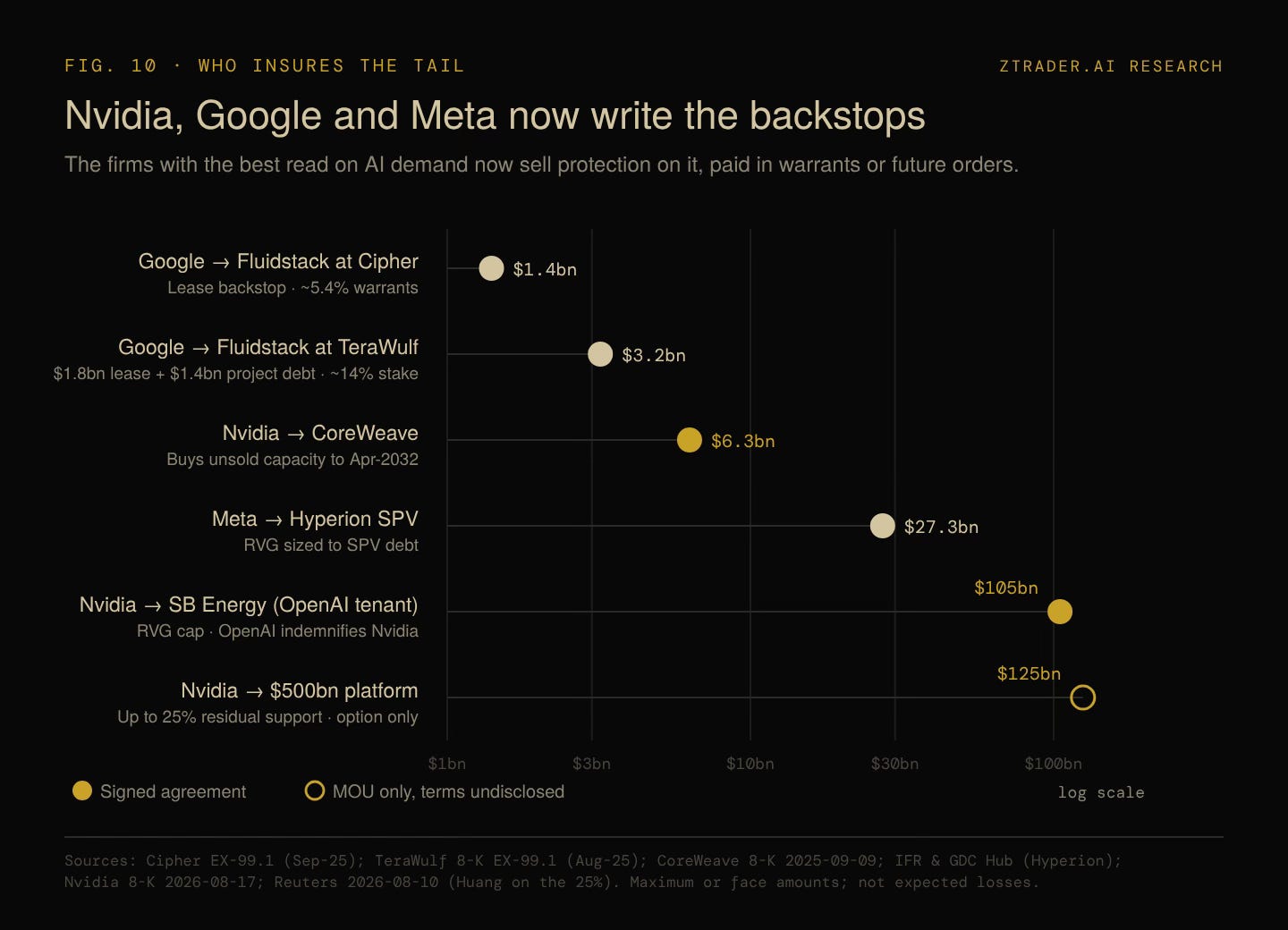
[CHART 10 — Nvidia, Google and Meta now write the backstops]
If the chips are the weak part of the collateral, someone has to cover the gap. More and more often, that someone is the vendor or the hyperscaler.
The chart ranks the backstops by size, on a log scale:
1. Google, $1.4 billion. It backstops Fluidstack’s lease at Cipher, for warrants on about 5.4% of the company.
2. Google, about $3.2 billion at TeraWulf. That is $1.8 billion for Fluidstack’s lease obligations and $1.4 billion for project debt. Its warrants bring its pro forma stake to about 14%.
3. Nvidia, $6.3 billion. This is the obligation to buy CoreWeave’s unsold capacity through April 2032.
4. Meta, an RVG sized to Hyperion’s $27.3 billion of debt.
5. Nvidia, up to $105 billion. This is the RVG on the OpenAI leases at SB Energy.
6. Nvidia, up to $125 billion. This is the option on the $500 billion financing platform.
There is one point where the Chinese and English coverage disagree, and it is worth getting right.
Several reports say Nvidia will absorb up to 25% of losses on GPU collateral. That figure comes from the $500 billion platform.
Those agreements are memorandums of understanding, not final contracts. Nvidia’s own release gives no terms at all. The 25% figure comes from Jensen Huang’s post on X, and the trigger, payment priority and duration are unpublished.
The $105 billion guarantee is a separate instrument. According to Nvidia’s August 17, 2026 8-K, Nvidia pays if OpenAI goes insolvent or stops paying rent. The payment covers the shortfall between a guaranteed minimum lease value and what a re-lease or sale recovers. OpenAI has agreed to reimburse Nvidia for anything it pays. Nvidia’s obligation ends after 20 years, or earlier once OpenAI reaches a satisfactory credit rating. Wing VC read the exhibit and found that the guaranteed value is built from data-center, power and transmission costs, with Nvidia’s own equipment carved out.
So both claims are true about different contracts. Nvidia guarantees a minimum lease value at SB Energy.
Its 25% on GPU residuals is still an option on a memorandum.
XI. WHO LOSES FIRST
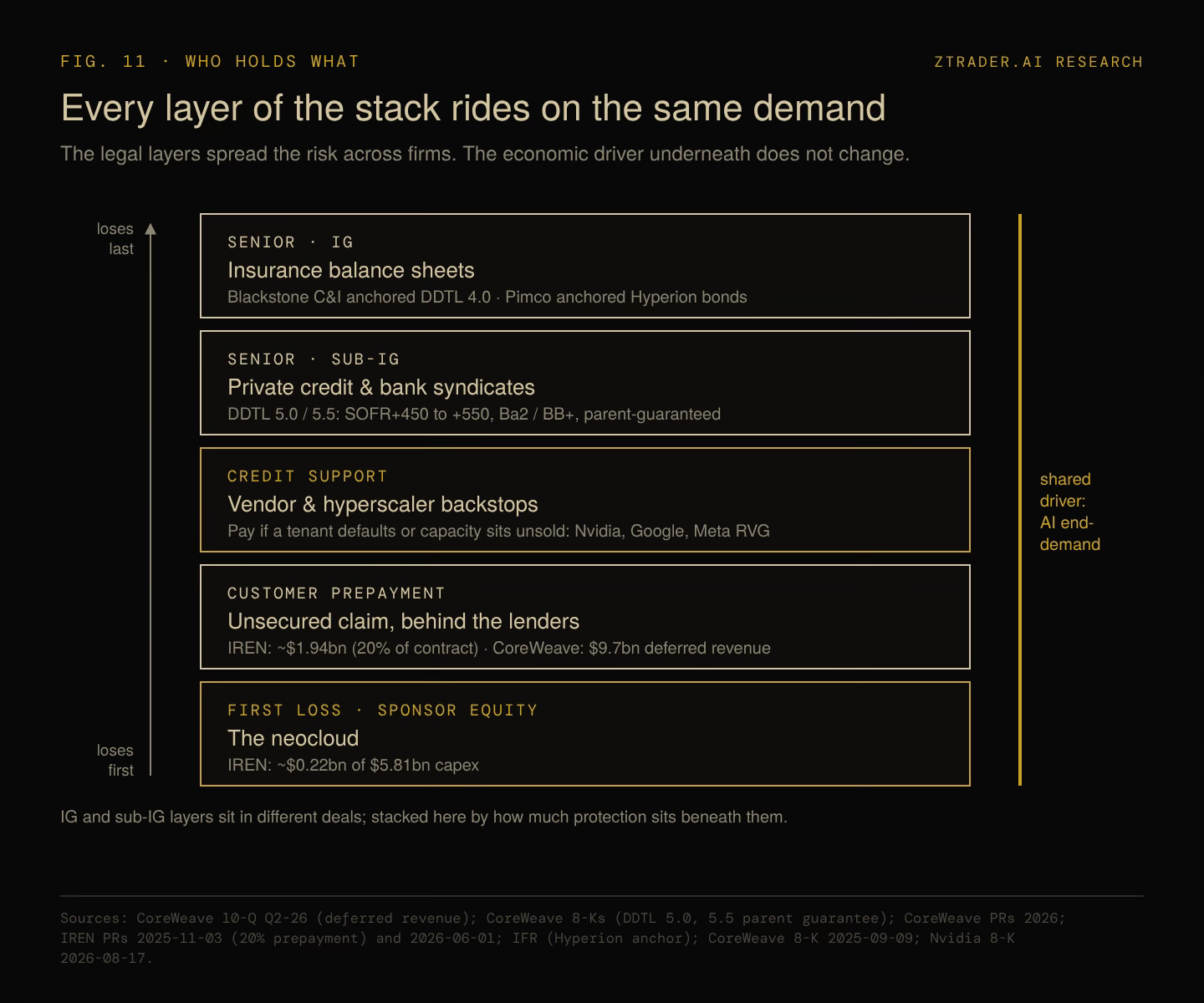
[CHART 11 — Every layer of the stack rides on the same demand]
Put the pieces together and you get a loss order, from the bottom up:
1. The customer’s prepayment. CoreWeave was carrying $9.7 billion of deferred revenue at June 30, 2026. That is customer cash collected before the service is delivered. At IREN the implied prepayment is about $1.94 billion. If the deal breaks, that money is gone first.
2. The neocloud’s own equity. At IREN, about $0.22 billion against $5.81 billion of capex.
3. Credit support from Nvidia, Google and Meta. These backstops pay when a tenant defaults or capacity sits unsold.
4. Senior lenders below investment grade: private credit and bank syndicates in deals like DDTL 5.0 and 5.5. These also hold a guarantee from CoreWeave Inc.
5. Senior lenders at investment grade: insurance balance sheets. Blackstone Credit & Insurance anchored DDTL 4.0. Pimco anchored the Hyperion bonds.
Layers 4 and 5 sit in different deals. The chart stacks them by how much protection sits underneath each one.
On paper, the risk is spread across five different kinds of balance sheet. Look at what each layer depends on, though. The customer prepays because it expects AI revenue. The neocloud invests for the same reason. Nvidia backstops capacity because it wants the next order funded. The lenders get repaid from rent that depends on the same AI revenue.
The legal structure spreads the risk across firms, but every one of those firms is exposed to the same driver.
SIGNALS FOR 2027 AND 2028
Four things will tell you whether this structure holds:
1. Renewals in 2027 and 2028. CoreWeave expects to recognize 41% of its RPO by mid-2028. Watch how much of that gets renewed, and at what price.
2. The replacement-contract rules in DDTL 5.5. This is CoreWeave’s first facility to underwrite renewal risk. Any replacement contract must run at least six months, sit at an approved data-center site, and be no materially worse than the one it replaces. Any cash trap or amendment would show up in CoreWeave’s filings first.
3. Terms on Nvidia’s $500 billion platform. The 25% residual support stays an option until someone publishes the trigger and the priority.
4. H100 and B200 rental indexes. They set the floor whenever a contract does not renew. CME and Silicon Data announced cash-settled H100 and B200 rental futures, with an October 5 launch date pending regulatory review. Once they trade, that floor gets a traded price.
Here is the whole loop in one place.
GPU-backed loans are secured by chips, but the chips are the least important part of the collateral. Lenders price the customer contract.
That is why the same borrower pays +225 for a hyperscaler deal and +550 for three-year contracts with a mix of customers, even with a parent guarantee on the second.
Inside the SPV, the payment order and take-or-pay terms repay the loan before anyone has to sell a used GPU.
The customer’s prepayment takes the first loss, and the neocloud puts in a few cents per dollar. Nvidia, Google and Meta now insure the tail, with a 25% residual promise that is still only a memorandum.