

For most of the past few years, the rates trade was built around one question:
When will the Fed cut?
Now the question is complete opposite:
The Federal Reserve has about 90% changes to have a rate hike.
But the market is pricing the rate hike already.
Let us look at all the data:
The 2-year Treasury yield has pushed toward 4.5% and the 10-year is at 5% and Fed funds futures are pricing roughly a 70% probability of a 25bp hike at the September meeting, which would lift the target range from 3.50–3.75% to 3.75–4.00%.
After the August PPI release, the probability of rate hike jumped as high as 74%.
More importantly, futures are no longer debating only September.
The market is increasingly pricing one or potentially two hikes before year-end. That is the real regime change.
The very question that truly matters is not about if the FED having another 25bps hike,
what market really cares is about if this is the beginning of another tightening cycle
01 The Pivot Already Happened
The economic fundamentals will not wait for FOMC’s final decision.
With oil price surged again and middle east conflicts unsolved, the Fed has kept the federal funds target range at 3.50–3.75% since December. But Treasury yields have moved substantially above the policy rate as investors demand compensation for inflation, fiscal risk and the possibility of renewed tightening.
The 2-year Treasury, the part of the curve most sensitive to expectations for monetary policy, has moved to roughly 4.53% and currently the 10-year has approached 5%.
The bond market is already tightening before the Fed does.
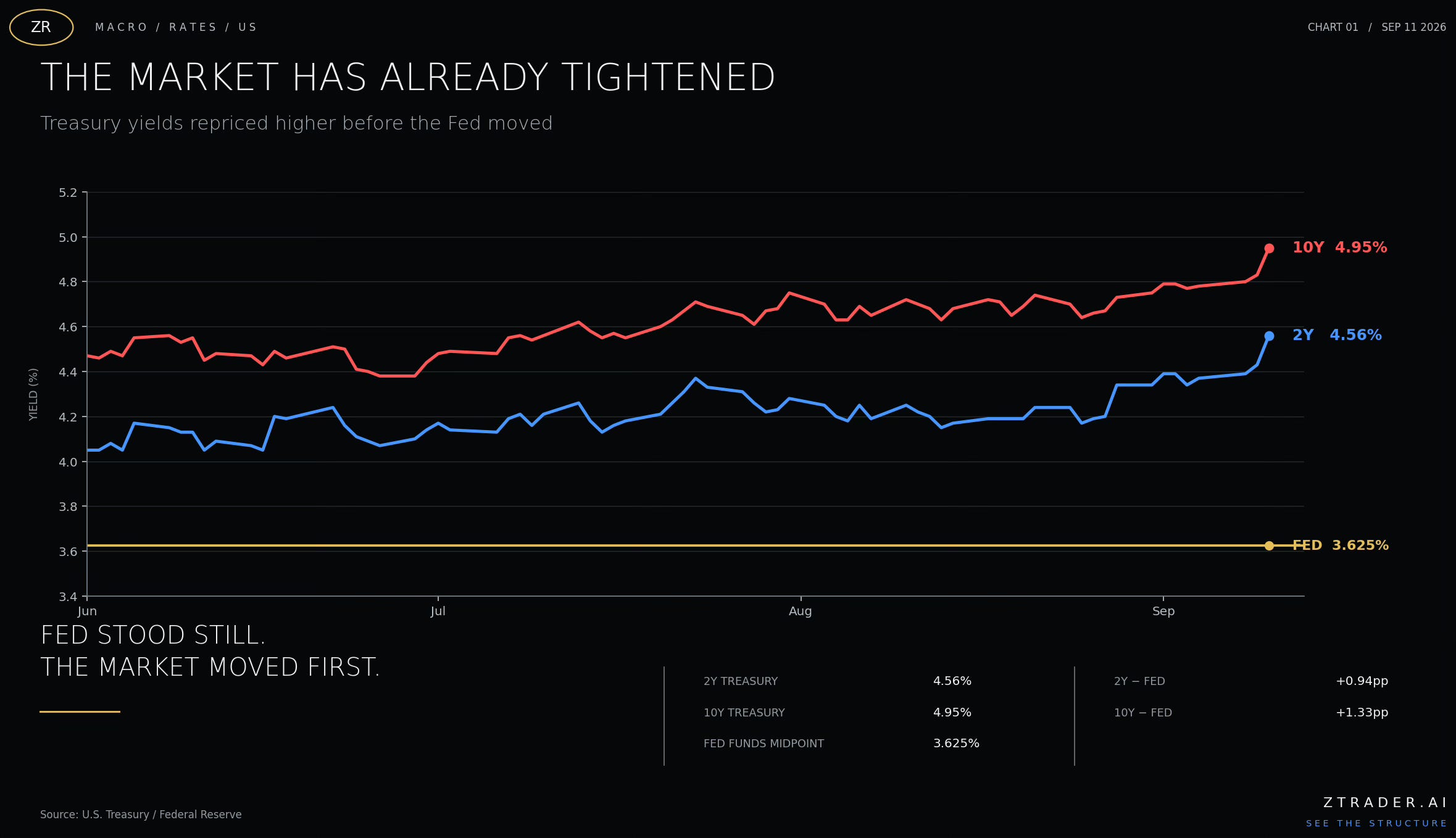
[CHART 1 — The Market Has Already Tightened]
What really matters is the gap and the 5% 10-year Treasury does not stay inside the Treasury market, the gap becomes the discount rate for the economy. Further more, this rate will further anchor the cost of entire economy.
Therefore, mortgages and corporate financing become more expensive and we are seeing the private credit sector competes against a much higher risk-free rate.
In the end, the Long-duration equities face higher discount rates and small companies with weak balance sheets will bear the pressure and impact first, with asset valuations that made sense at a 3.5% long bond suddenly have to survive something approaching 5%.
The Fed may still be debating whether to tighten the monetary policy, but the market has already priced in all the factors.
We are seeing the beginning of the new cycle of rate hike, it’s almost pointless to discuss single 25 bps hike.
02 Inflation IS THE PIVOT
INFLATION is the key to this market paradigm shift.
Bureau can creates another 1000 baskets of CPI proxy and call whatever they want but with middle east crisis further escalate and oil price skyrocketed, inflation is the imminent key risk to the current economy system.
Now we look at PPI number, the August PPI rose 0.4% month over month and 5.4% year over year, accelerating from 4.7% in July.The inflation was particularly strong, with final-demand goods prices rising 1.1% during the month.
July headline PCE inflation was 3.7%. with core PCE was at 3.3%.
From all above numbers we can tell we are definitely not heading to the inflation contained economy environment and it certainly does not look like the economy is heading toward a 2% inflation regime.
On the contrary, this is an economy where the last mile has stalled while a new set of inflationary pressures is arriving.
And this time, the inflationary pressure is not coming from one place.
THEY ARE COMING FROM EVERYWHERE:
Oil/Tariffs/Transportation/AI-related capital expenditure/Fiscal expansion.
AND THE still-resilient LABOR market.
Each can be debated individually.
Together, they change the distribution of outcomes facing the Fed.
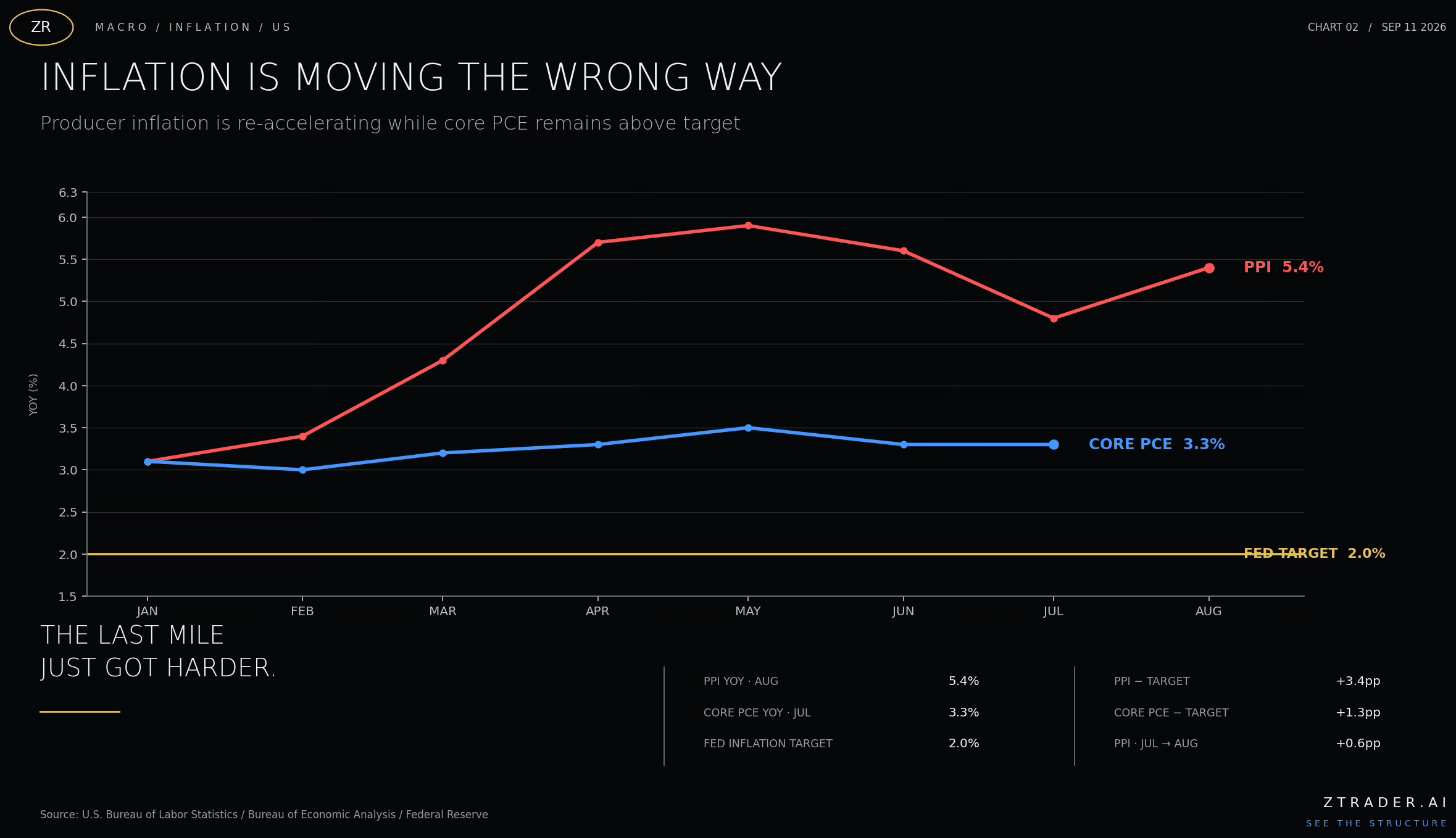
[CHART 2 — Inflation Is Re-Accelerating]
THE 5.4% PPI number is not the only data really matters here, how the entire market respond to this PPI number is what really matters.
The market spent years pricing the assumption that inflation would gradually converge toward target, allowing the Fed to normalize rates downward.
That assumption is now being challenged.
03 THE Oil PRICE CHANGES EVERYTHING
Oil above $100 is not merely another line on a commodity screen AND Brent has pushed above $100 as renewed Middle East conflict disrupts global oil supply.
That immediately hits headline inflation through gasoline and energy PRICES, there is aftermath effect follows that impact.
Higher energy prices increase transportation costs.
then the Transportation feeds into goods prices.
and then the Jet fuel feeds into airfares.
then Petrochemical inputs feed into manufacturing.
then Higher logistics costs move through supply chains and eventually businesses attempt to pass those costs to consumers.
This is why an oil shock creates such an unpleasant problem for central banks.
Higher oil prices can simultaneously:
raise inflation and slow real economic growth.
The traditional monetary-policy response becomes much less comfortable and are not very effective when handling these effects.
The most effective way would be:
THEY NEED TO HAMMER THE OIL PRICE DOWN, WHATEVER IT TAKES, AND THEY NEED TO DO IT FAST.
OR MORE MARKET/ SELF-REINFORCING ACTIVITIES WILL FOLLOW THAT $100 OIL PRICE TAG
With Oil price standing at $100 dollar level, the FED has the following options:
Option A : Do what Trump says by simply cutting the fed rate.
Cut rates to protect growth and the Fed risks validating inflation but my previous article already explain why it won’t work because the real rate will increases not lower soon or later FED still NEEDS ANOTHER HIKE.
Option B. Implement a rate hike promptly.
Raise rates aggressively to prevent the supply shock from turning into persistent inflation. ONCE INFLATION IS STICKY THERE IS VERY LITTLE THING CENTRAL BANKS CAN DO.
THIS USUALLY MEANS suppress demand and contain second-round price pressures, but it does nothing to restore the lost supply.
The Fed would effectively be fighting a supply shock by destroying real economy demand.
This means to bring the Inflation down, but at the cost of weaker growth.
Option C: WAIT AND SEE
Do nothing and inflation expectations can begin moving away from target.
When everything lost control, you need 10x works to fix it.
The outcome will be devastative to global economy, meaning we will once again experience the inflationary spiral and we all end up paying more.
04 The Fed IS NOW TURNING
There is another detail that deserves much more attention, at the July FOMC meeting, the Committee voted to leave the federal funds target unchanged.
But the vote was very clear:
Beth Hammack, Neel Kashkari and Lorie Logan all preferred a 25bp rate increase.
Three policymakers were already voting for tighter policy before the latest PPI acceleration. That changes how September should be interpreted.
From this vote result we are already seeing the FED turn HAWKISH.
Now we have more evidence:
Persistent core inflation.
Higher producer prices.
Oil above $100.
sticky labor market.
Treasury yields moving sharply higher.
Chair Kevin Warsh’s recent hawkish messaging has added another layer to that repricing.
Therefore, the probability tree has changed.
A few months ago:
FED MOVE: Hold → Cut
Now:
FED MOVE:Hold → Hike → Hike Again?
That final arrow is what markets have only begun to price.
05 ONE HIKE WON’T KILL ECONOMY, NO HIKES WILL
Markets can survive 25 basis points hike, the market can still tolerates that.
Because this is the right act to tame inflation and market is going to react positively on DOING THE RIGHT THING.
if not taken whats necessary, to wait and see or even cut rate will create market turmoil meaning S&P will likely takes the heat, which is the exact opposite of what Trump wants.
The S&P 500 does not implode because the overnight rate moves from 3.625% to 3.875%.
The more important variable is the expected path.
Let us now consider two scenarios.
IN Scenario A(BEST SCENARIO):
Fed hikes once.
Inflation cools.
Oil price falls.
The Fed is giving strong and positive market signal to the market.
The terminal rate barely changes.
IN Scenario B (1 HIKE NOT ENOUGH)
IF the Fed hikes once.
Inflation remains sticky.
Oil stays above $100.
Fiscal policy remains expansionary.
The labor market refuses to break.
The Fed signals another hike is possible.
Suddenly the entire forward curve has to move.
That is a completely different asset-pricing environment.
The market would no longer be pricing:
one hike BUT ENTIRE NEW RATE HIKE CYCLE.
It would be pricing:
a higher terminal rate for longer.
That affects almost everything.
Treasuries/Dollar/Gold/Equities/Credit/Housing/Emerging markets/Carry trades/Volatility.
The first hike matters mostly because it changes the probability of the second.
06 The 5% YIELD
This is why the 10-year Treasury approaching 5% matters so much.
Five percent is not magical.
But markets love round numbers because apparently trillions of dollars of institutional capital remain vulnerable to the psychological sophistication of counting on fingers.
The economic effect, however, is real.
At roughly 5%, Treasuries become an increasingly serious competitor for capital.
An investor can earn close to 5% nominal yield without taking equity risk.
That raises the hurdle rate for everything else:
The company can trading at 30x earnings has to justify its valuation against a much more attractive risk-free alternative.
And the private-equity deal can be financed with expensive debt has to generate higher returns.
Commercial property cap rates face pressure.
Leveraged companies refinance at worse economics.
And the equity market’s duration problem becomes increasingly visible.
with above logics, the valuation equation changes:
Higher earnings must now fight a higher discount rate.
That is a very different market from the one investors spent years preparing for.
07 The Warsh Trap
This also connects directly to the larger political contradiction surrounding U.S. monetary policy.
Washington wants cheaper money.
Trump wants lower rates.
But the policies surrounding that demand can produce the opposite outcome.
Tariffs can raise prices.
Fiscal expansion can support nominal demand.
Large government deficits can increase Treasury supply.
Geopolitical escalation can push energy prices higher.
And political pressure for easier monetary policy can increase the inflation risk premium demanded by bond investors.
The transmission can therefore run in exactly the opposite direction policymakers want:
Pressure for lower rates
↓
Looser perceived policy / fiscal expansion
↓
Higher inflation expectations
↓
Higher term premium
↓
Higher long-term Treasury yields
↓
Tighter financial conditions
This is the Warsh Trap.
The government can demand cheaper money while simultaneously creating the conditions that make money more expensive.
The Fed controls the overnight rate and the market controls the price of duration.
And when those two disagree, the market eventually wins.
08 What the Market Is Actually Pricing
Forget the semantic debate over whether September is a hike or a hold.
The deeper repricing is already visible.
The old regime looked like this:
Inflation ↓
→ Fed cuts
→ yields ↓
→ financial conditions ease
→ duration wins
The emerging regime looks different:
Oil shock + tariffs + resilient growth
→ inflation persistence
→ cuts disappear
→ hikes return
→ front-end reprices
→ long yields stay high
→ financial conditions tighten
That is not simply a change in one FOMC meeting.
It is a change in the market’s reaction function.
The Bottom Line
For years, investors were trained to ask:
When is the next cut?
That framework is dying.
The Fed has not even held its September meeting yet, and markets are already pricing roughly a 70% probability of a hike.
Producer inflation has accelerated to 5.4%.
Core PCE remains at 3.3%.
Oil is above $100.
Three FOMC voters already wanted to hike in July.
The 2-year Treasury is around 4.5%.
The 10-year is threatening 5%.
None of those variables alone proves that a new hiking cycle has begun.
Together, they tell us something more useful:
The burden of proof has flipped.
The market no longer needs evidence that the Fed can cut.
It needs evidence that the Fed can stop hiking before it starts.
And that is a completely different trade.